Hiking the Gros Piton in St. Lucia reminded me that rest and restoration don’t always look like sitting still with your eyes closed. There’s a concept in psychology called soft fascination - the kind of gentle attention we give to things like moving water, rustling leaves, clouds drifting across the sky. It’s attention without effort. The …


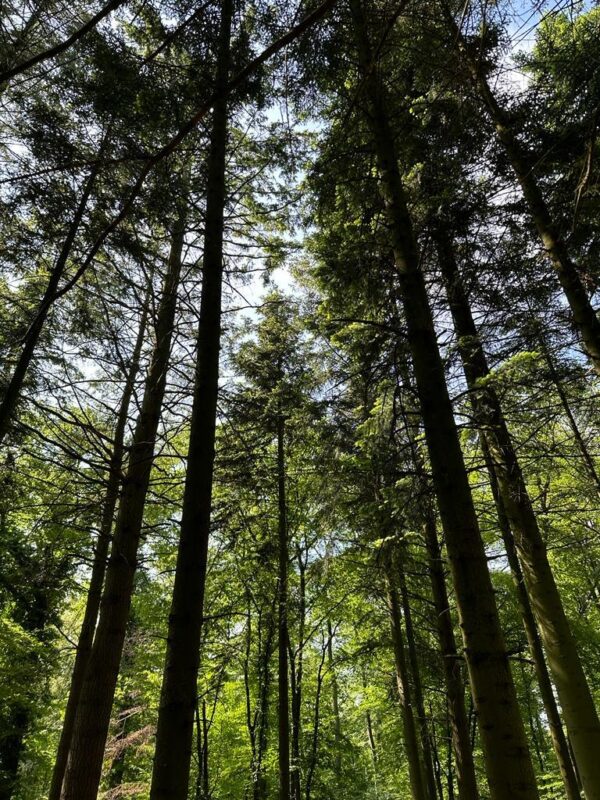
Hiking the Gros Piton in St. Lucia reminded me that rest and restoration don’t always look like sitting still with your eyes closed.
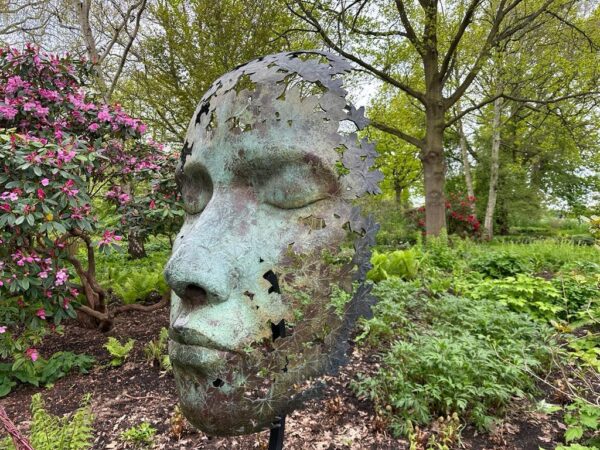
There’s a concept in psychology called soft fascination – the kind of gentle attention we give to things like moving water, rustling leaves, clouds drifting across the sky. It’s attention without effort. The mind is lightly engaged, but not strained. And in that space, we recover.
We often hear that “science says” certain things help us regulate – long exhales to calm the nervous system, classical music to lower blood pressure, structured meditation practices to reduce stress.
And while that’s true for many people, it’s not universal.
If long, controlled breathing leaves you feeling more anxious, or if classical music makes you stress rather than relax, why do it anyway?
Everybody and every body is different. So rather than forcing yourself into what should feel calming, notice what actually does.
For me, sometimes it’s a hike like this – seeing green always does it for me. That’s why I love golf too.
If a meditation doesn’t have the desired effect of calming you, ask yourself: what makes me calm? And treat yourself to this on a regular basis.
Get in Touch with Us
We’d love to hear from you—share your thoughts or ask a question!