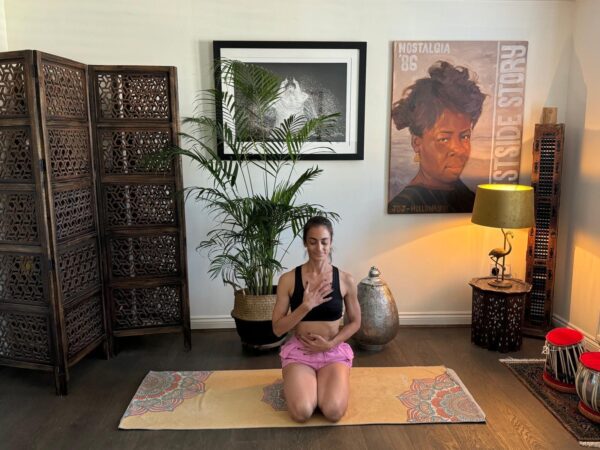
International Yoga Day is around the corner. This time always makes me muse about how to best describe yoga to people and how misunderstood it is. "Do You Also Offer Meditation Or Just Yoga?" A prospective client asked me this recently. The question is understandable. After all, in the West, yoga has largely become synonymous …

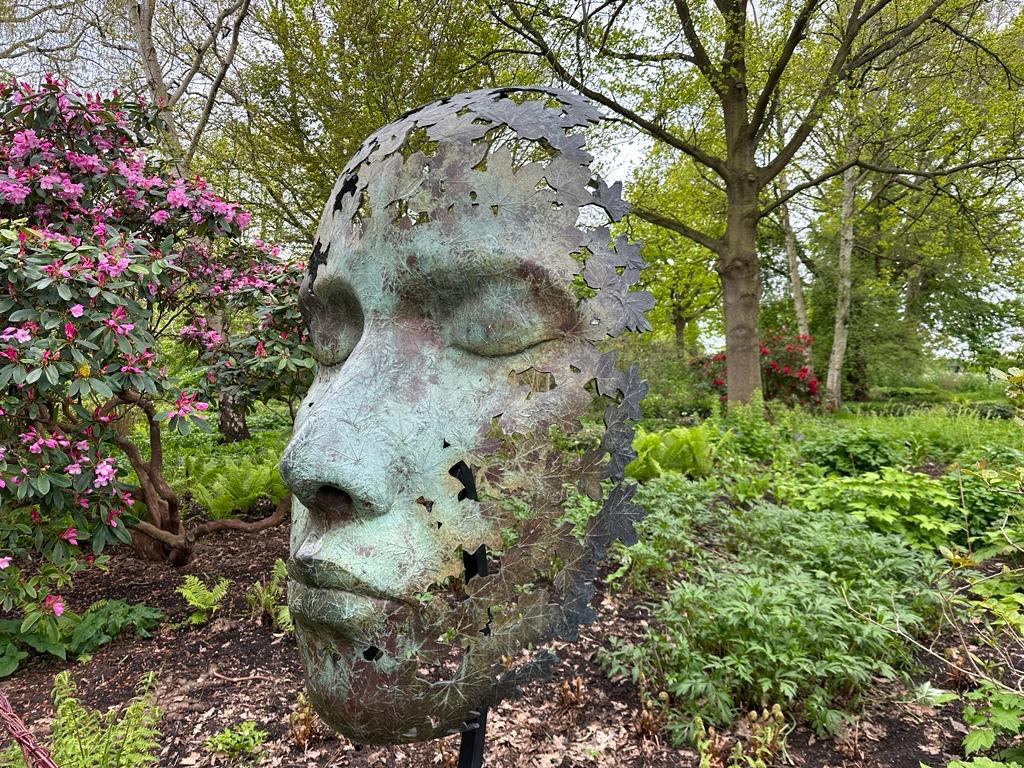
International Yoga Day is around the corner. This time always makes me muse about how to best describe yoga to people and how misunderstood it is.
“Do You Also Offer Meditation Or Just Yoga?”
A prospective client asked me this recently. The question is understandable. After all, in the West, yoga has largely become synonymous with stretching, flexibility, athletic poses, expensive leggings and social media images of people balancing on one leg at sunset.
So let me get this straight: meditation is yoga. What many Westerners call yoga today is only a small – and optional – part of a much larger system designed to answer one of humanity’s oldest questions – in the words of Monty Python: the meaning of life.
Yoga Is Not A Workout
Physical postures can benefit strength, mobility, balance, overall health and stress reduction. But the focus shouldn’t be on Yin (gentle & meditative), Vinyasa (breath & movement), Hatha (misunderstood as long-held postures) and many other ways to make your body flexible and strong.
The body is a vehicle rather than the destination! The word Hatha is often used today to describe a particular style of class. But Hatha Yoga is a broad category of practices that use the body, breath and mind as tools for something far deeper:
Self-Realisation ≠ Self-Fulfilment
In modern culture, self-realisation is often interpreted as becoming the best version of ourselves, expressing our individuality or achieving personal fulfilment.
Yoga asks us instead not to identify with labels: our job title, our achievements, our gender, political views, successes and failures, likes and dislikes, our stories and identities.
None of the above is who we truly are, and placing too much importance on them inflates the ego. Self-realisation, however, is the gradual stripping away of everything we mistakenly believe ourselves to be.
The process is not about adding but about removing, so that we uncover what has always been there in us, and with it an underlying unity with others.
The Self Beyond The Labels
Ancient yogic philosophy uses Sanskrit terms that are difficult to translate adequately into English. One such term is Atma – often described as the true Self or everlasting consciousness.
Another is Prakriti, the material world: everything that changes, ages and (dis)appears. Much of human suffering arises because we identify with Prakriti. We mistake our changing circumstances, thoughts, emotions, even our bodies for our essential nature,
The individual Atma, conditioned by karma and experience, is called Jiva which is attached to the changing world around it. Yoga provides the path back.
What Does This Mean For Us?
This is where yoga becomes profoundly relevant in the workplace. Yoga is not about touching your toes but how you respond when things don’t go your way.
Can you remain balanced when a project fails, stay composed when criticised, maintain clarity amidst uncertainty, avoid being defined by your success or failure?
The Bhagavad Gita, one of Hinduism’s most influential scriptures, describes yoga as equanimity – not indifference or passivity but the capacity to remain steady amidst life’s inevitable fluctuations. This is true resilience: not merely bouncing back, but recognising that your essential nature was never damaged in the first place!
So What Is Yoga?
Yoga may include movement, breathing and meditation. It may include ethical disciplines, self-inquiry, contemplation, devotion or charity. But these are just yoga’s tools! Yoga is the process of moving from identification with the temporary to recognition of the eternal. From reactivity to equanimity. From ego to clarity.
So the next time someone says, “I only practise Power Yoga,” it may be worth remembering that physical practice is often just the beginning.
The poses can strengthen the body. The breath can steady the mind. The meditation can cultivate awareness. And we’re here for all of this.
But what we are facilitating through yoga is the discovery of who you are when you don’t attach to every label, role, title, achievement, pronoun, adjective or your identity.
And that doesn’t just make you much better at your job, but also more content in life. Win win!! 💪🏽
Get in Touch with Us
We’d love to hear from you—share your thoughts or ask a question!